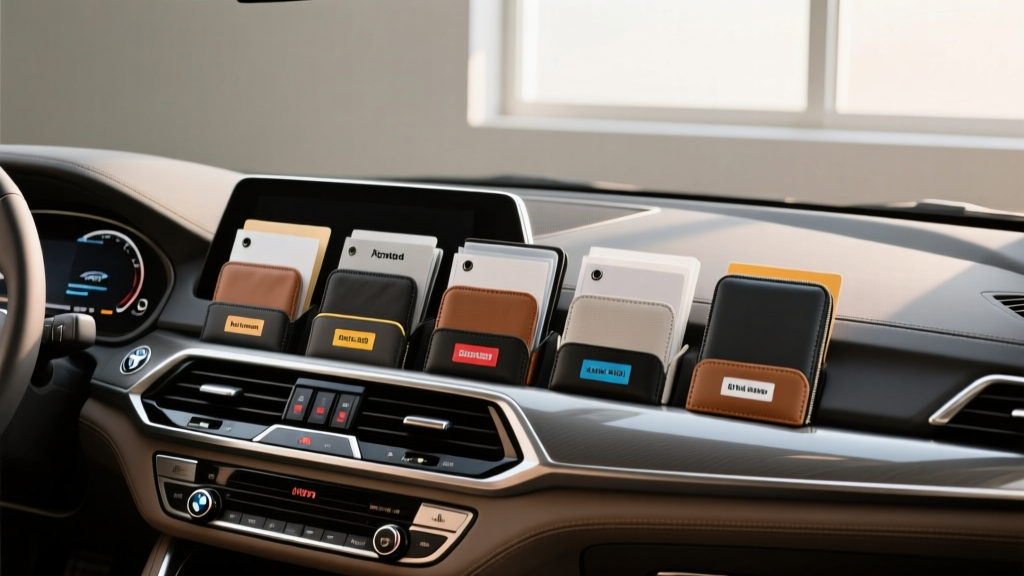
File & Buffer Case Compatibility by Car Model (2026)
Phone mounts, chargers, and touchscreen interfaces have improved a lot, but there?s still one everyday headache for drivers: where to put (and protect) your essentials so they don?t slide, rattle, or get crushed. That?s where file and buffer cases come in. A good file case keeps paperwork flat and organized (insurance, registration, receipts, service records). A good buffer case adds cushioning and structure for items that take a beating in the cabin (tablets, sunglasses, small electronics, camera gear, even a compact first-aid kit).
Compatibility matters because car interiors aren?t one-size-fits-all. A case that fits perfectly in a Honda Civic?s center console may be too tall for a Mazda3 armrest bin. A ?universal? organizer might block the shifter in a Toyota RAV4 or interfere with a Tesla Model 3?s minimalist storage layout. This guide breaks down how to pick the right file and buffer case by vehicle type and common storage zones, with real-world fit tips you can use before you buy.
Whether you drive a compact sedan, a full-size truck, or an EV with hidden underfloor storage, you?ll find practical sizing pointers, recommended case styles, and the most common mistakes that lead to wasted money and clutter.
What Are ?File? and ?Buffer? Cases in a Car Interior?
File Cases (Paperwork + Flat Storage)
A file case is any slim, structured organizer designed to keep documents clean and flat. In a vehicle, it?s typically used for:
- Insurance and registration documents
- Warranty info, maintenance receipts, and inspection paperwork
- Owner?s manual (if you still keep one)
- Parking passes, toll transponders accessories, and spare envelopes
Best materials: rigid polypropylene, EVA hard-shell, reinforced fabric with stiff panels. Look for a zipper or snap closure so papers don?t scatter when you brake.
Buffer Cases (Protection + Shock Absorption)
A buffer case is built to absorb impact and prevent cabin damage from shifting items. Common uses:
- Tablet/e-reader protection for road trips
- Camera gear or portable gaming devices
- Sunglasses and prescription eyewear
- Compact tools or tire gauge kits
- Small electronics (power banks, cables, SSDs)
Best materials: EVA foam, semi-rigid hard shell, padded nylon, microfiber lining. A buffer case should prevent scratches on interior trim and reduce rattles in the console.
Where Compatibility Gets Tricky: Car Storage Zones That Decide Fit
Most ?compatibility? issues come down to where you plan to store the case. These zones vary a lot by car model:
- Glovebox: often shallow on newer cars with big dashboards and airbag packaging.
- Center console bin: depth and hinge design vary; some have trays that reduce usable height.
- Door pocket: tall but narrow; good for vertical file cases but can warp papers.
- Under-seat storage: common in trucks/SUVs; great for larger buffer cases.
- Cargo side cubbies/underfloor: SUVs, hatchbacks, and EVs often have hidden wells for bulky organizers.
Step-by-Step: How to Measure Your Car for Case Compatibility
If you do one thing before buying, do this. It prevents most returns and ?almost fits? frustration.
-
Pick the storage zone first.
- Glovebox for documents you access occasionally
- Center console for daily-use items (sunglasses, cables, passes)
- Cargo area for emergency and long-trip kits
-
Measure internal dimensions (W x D x H).
- Use a tape measure; measure the narrowest point (hinges and curves matter).
- Measure height with the lid closed if possible.
-
Subtract clearance for movement.
- Take off 0.5?1 inch (1?2.5 cm) from height to avoid lid pressure.
- Take off a little width if the compartment tapers.
-
Decide orientation.
- Will the case sit flat, stand upright, or tuck sideways?
- Some gloveboxes fit a slim case only diagonally.
-
Match the case style to the environment.
- Hot climates: choose EVA/PP shells that won?t warp.
- Rattly bins: choose microfiber-lined buffer cases or fabric cases with padding.
Compatibility Guide by Car Model Category (With Fit Tips)
Exact compartment sizes differ by year and trim, but these guidelines reflect common interior layouts. Use them to narrow down the right file or buffer case style before you measure.
Compact Sedans (Honda Civic, Toyota Corolla, Mazda3, Hyundai Elantra)
Compact sedans often have a smaller glovebox and a center console with limited height due to cupholders and tray inserts.
- Best file case: slim A5/A4 ?half-thickness? document folio with zipper
- Best buffer case: small hard-shell EVA case (sunglasses/electronics), low-profile
- Where it fits best: glovebox (documents), center console tray (small buffer case)
Real-world example: In many Civics and Corollas, a thick accordion file can jam the glovebox latch. A flat zip folio keeps papers neat without bulging the door.
Midsize Sedans (Toyota Camry, Honda Accord, Nissan Altima, Hyundai Sonata)
Midsize sedans usually offer a deeper console bin and a glovebox that can handle a more structured organizer.
- Best file case: full A4/letter hard folio or slim expanding file
- Best buffer case: medium EVA tech organizer for chargers, cables, and power bank
- Where it fits best: glovebox (file case), console bin (buffer case)
Tip: If your console has a sliding tray, measure below the tray and above it. Some cases fit only when the tray is removed or repositioned.
Small SUVs and Crossovers (Toyota RAV4, Honda CR-V, Mazda CX-5, Subaru Forester)
Crossovers tend to have more flexible storage: larger door pockets, deeper consoles, and cargo-area cubbies.
- Best file case: rigid document case with a handle (easy to grab from glovebox or cargo side pocket)
- Best buffer case: structured protective pouch for tablets, cameras, or a compact roadside kit
- Where it fits best: glovebox for documents; cargo side storage for buffer case kits
Real-world example: A RAV4 owner who hikes or camps can keep a buffer case with a headlamp, spare batteries, and a charging cable in the cargo cubby?no rattles, no loose gear.
Full-Size SUVs (Chevy Tahoe/Suburban, Ford Expedition, Toyota Sequoia)
These vehicles have larger compartments and benefit from modular systems so items don?t get lost in big bins.
- Best file case: letter/A4 expanding file with labeled tabs (service records, towing, insurance)
- Best buffer case: larger padded case for family tech (tablets, headphones) or medical kit
- Where it fits best: center console bin, underfloor cargo storage, seat-back pockets
Tip: Choose cases with grab handles. Deep consoles turn into ?black holes? without an easy pull-out grip.
Pickup Trucks (Ford F-150, Chevy Silverado, Ram 1500, Toyota Tacoma)
Trucks often have excellent under-seat storage and larger center consoles (especially crew cabs). This makes them perfect for bigger buffer cases.
- Best file case: durable hard document case that resists moisture and grime
- Best buffer case: reinforced padded tool/tech case for off-road gear, tire tools, straps
- Where it fits best: under rear seat, center console vault, rear floor bins (if equipped)
Real-world example: In a work-truck setup, a buffer case keeps a tablet and charging brick safe from bouncing around on job sites?especially if the cabin sees dust and debris.
Hatchbacks and Wagons (VW Golf, Subaru Impreza, Honda Fit)
Hatchbacks benefit from clever cargo management. The cabin can be tighter, but cargo areas often have hidden storage.
- Best file case: slim folio that fits glovebox without stealing legroom
- Best buffer case: compact multi-pocket organizer for cables and travel accessories
- Where it fits best: glovebox, rear cargo side pockets, underfloor tray (if equipped)
Tip: If you fold seats frequently, avoid storing a rigid file case where it will get crushed by shifting cargo.
EVs and Minimalist Interiors (Tesla Model 3/Y, Hyundai Ioniq 5, Kia EV6)
EVs often have creative storage (deep center consoles, underfloor compartments, frunks), but gloveboxes can be smaller or electronically latched.
- Best file case: thin, rigid folio that opens easily with one hand (quick access during stops)
- Best buffer case: silent, microfiber-lined case to prevent rattles in hard plastic bins
- Where it fits best: center console lower bin, underfloor cargo well, frunk (for rarely accessed items)
Real-world example: A microfiber-lined buffer case reduces buzz and vibration noises that stand out more in quiet EV cabins.
What to Buy: File and Buffer Case Recommendations (By Use)
Rather than chasing a single ?best? product, match the case to your routine. Here are practical categories that work across many car models.
Best ?Set-and-Forget? Document Storage
- Slim hard-shell document folio (A4/letter compatible): Great for gloveboxes and protects papers from spills.
- Water-resistant zip file pouch: Ideal for trucks and adventure vehicles.
Best Daily-Use Console Buffer Cases
- EVA tech organizer (small/medium): Holds charging cables, adapters, spare fuses, USB drives.
- Hard-shell sunglasses case (microfiber lining): Prevents scratched lenses and stops rattles.
Best Cargo-Area Buffer Cases for Road Trips
- Padded electronics case (tablet size): Keeps screens safe when bags slide around.
- Structured emergency kit case: For first aid, flashlight, gloves, and reflective gear.
Quick Comparison: Hard-Shell vs Soft-Sided
- Hard-shell: better crush protection, better for glovebox and cargo stacking; can squeak/rattle if unlined.
- Soft-sided padded: quieter, easier to squeeze into tight bins; less crush resistance.
Common Mistakes to Avoid
- Buying based on ?universal fit? claims: center consoles and gloveboxes vary wildly by model year.
- Choosing a case that?s too thick: thick expanding files often prevent glovebox doors from closing cleanly.
- Ignoring lid clearance: a case may fit with the lid open but bind when closed, leading to squeaks or broken hinges.
- Storing heavy buffer cases up high: door pockets and seat-back pockets can sag or dump contents during hard braking.
- Mixing paperwork with loose items: coins and tools will dent documents and cause annoying rattles.
- Skipping labels: an unlabeled file case turns into a messy time capsule after a year.
Practical Setup Ideas (Real-World Systems That Stay Organized)
The ?Glovebox Clean? System (Most Cars)
- Slim file case labeled: Insurance / Registration / Service
- Small buffer case for spare charging cable + flashlight
- Keep manuals digitally; store only essentials to reduce bulk
The ?Family Road Trip? System (SUVs/Minivans)
- Buffer case per kid: headphones, charger, small snack wipes
- One larger buffer case in cargo: first aid + motion sickness kit
- File case in glovebox: travel docs, campsite confirmations, towing info
The ?Work Truck? System
- Water-resistant file case: permits, receipts, maintenance logs
- Large padded buffer case under rear seat: tablet + accessories
- Separate hard case for tools to keep them from damaging interior plastics
FAQ: File and Buffer Case Compatibility
1) Will a letter-size file case fit in my glovebox?
Many midsize sedans and SUVs can handle letter/A4 width, but thickness is the usual problem. If your glovebox door feels tight, switch to a slim hard folio instead of an expanding accordion file.
2) What?s the best place to store a buffer case so it doesn?t rattle?
Center console bins and cargo cubbies work best. Choose microfiber-lined or padded cases, and avoid leaving hard plastic cases loose in oversized compartments.
3) Are hard-shell cases bad for soft-touch interior trim?
Not if the case has a soft exterior or lining. If it?s a rigid shell with sharp seams, add a thin rubber mat in the bin or choose a fabric-wrapped hard case to prevent scuffs.
4) Can I store documents in the trunk or cargo area?
You can, but heat and humidity swings are more extreme there. If you must, use a sealed, water-resistant document case and keep it in an underfloor compartment rather than loose in the open cargo area.
5) What size buffer case is best for a center console?
For most cars, a small-to-medium case (big enough for a power bank and cables) works best. Oversized organizers are more likely to block cupholders, crowd the shifter area, or make the console lid hard to close.
6) Do I need separate cases for paperwork and electronics?
Yes if you want fewer rattles and less wear. Papers crease easily, and electronics can scratch plastics and leave marks on documents. Two smaller cases usually fit better than one bulky all-in-one.
Actionable Next Steps
- Measure your glovebox and center console (width, depth, height) and write the numbers in your phone.
- Choose one file case for documents and keep it slim and rigid.
- Add one buffer case for daily essentials (sunglasses, cables, small tech) to cut clutter and rattles.
- Test fit for a week and adjust location (glovebox vs console vs cargo cubby) based on what you reach for most.
If you want more interior organization tips, storage hacks by vehicle type, and product-fit guides, explore the latest articles on carinteriormix.com.